
Agroecology Outreach as a tool for…

Food Justice.
With a growing population, our food & water insecurities and waste have drastically increased. Many of us take for granted the readily available food and convenient resources without understanding where it originates from and how it benefits us. Nai’s Kitchen is a shared space for community members to come together to prepare, cook, package, and deliver meals to those in need. Nai’s Kitchen Food Recovery Kitchen is a service that delivers a delicious and free meal to community members experiencing food insecurity, including those in transitional or low-income housing.

Youth Enrichment.
As our youth look for opportunities to make an impact in the world around them, second chances are critical. We all face different obstacles and hurdles throughout life but our youth aren’t given space to make beginner mistakes, reflect on their actions and redeem themselves in a positive manner. Agroecology allows us to look at how society functions with the resources available and provides a method for holistic identification. We provide documented training hours in a variety of areas, stipends, letters of recommendations that can open pathways to careers.
Adult Enrichment.
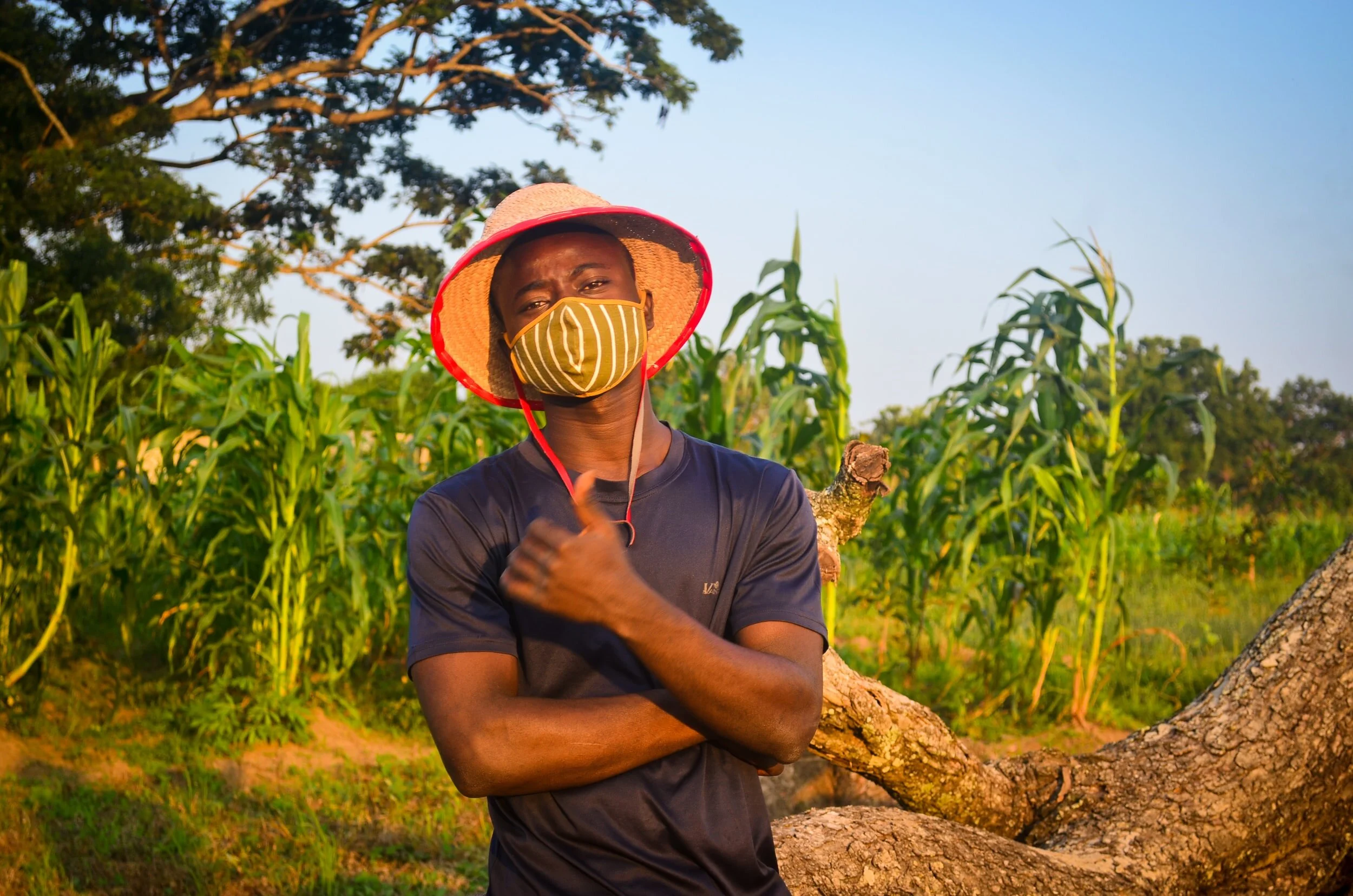
As members of our community look for opportunities to reconnect. We all face different obstacles and hurdles throughout life. People’s mistakes don’t always define who they are. Agroecology allows us to look at how society functions with the resources available and provides a method for holistic living. The enrichment program’s mission is to offer skills and training for entrepreneurial opportunities, restorative deinstitutionalization and communal housing.


Fall shedding, in the context of regenerative agriculture, involves practices that prepare the soil and ecosystem for the coming seasons. This aligns with the concept of Fiṭrah, which refers to the natural disposition or intrinsic nature of humans and the environment. By integrating these practices, we not only prepare our gardens for the next growing season but also honor the natural order and our intrinsic connection to the environment.
Regenerative Sustainability and Fitrah
These courses provide a comprehensive understanding of how the principles of Fiṭrah and agroecology can be integrated to promote sustainable and regenerative practices across different seasons and themes.
Course Objectives:
Understand the principles of sustainability and regenerative design.
Biodiversity and Synergy
Explore the concept of fitrah and its relevance to sustainability.
Integrate Indigenous knowledge and storytelling methods into sustainability practices, social values and diet.
Develop practical skills in ecological, social, and economic regeneration.
Foster a spiritual connection to nature and a sense of stewardship.
RENEWed
CONNECTION

Ummah Sustained Agroecology Center (1/3-acre urban farm in Everett, WA) and
Black Seed Agroecology Farms (a 10-acre rural site on Whidbey Island) open its Agroecology Initiatives identified in the United Nations 2030 Climate Change Goals.
Agroecology (AE) has been proposed by the UN as a transformative approach to climate change mitigation and adaptation that reduces climate risk while supporting long-term productivity and reduction of food systems by applying ecological and humanistic principles.


Contact us for more information.
Info@modestfamilysolutions.org